Guides on
Security
10 guides in this area, one for each Security finding that can appear in your report: what it is, how it’s measured, why it matters to you and how to fix it. See all 56 guides. And to see the whole area: Website security analysis.
Guides on Security
 SecurityBlocks
nginx vulnerability 2026 (NGINX2Root)
How to tell if it affects your website and what to ask your hosting provider
 SecurityBlocks
PHP vulnerability 2026 (PHP2Shell)
How to tell if it affects your website and what to ask your hosting provider
 SecurityAffects
Form protection
Secure submission, anti-spam and how to check yours
 SecurityLimits
Sensitive information exposure
When your website publishes its own errors
 SecurityLimits
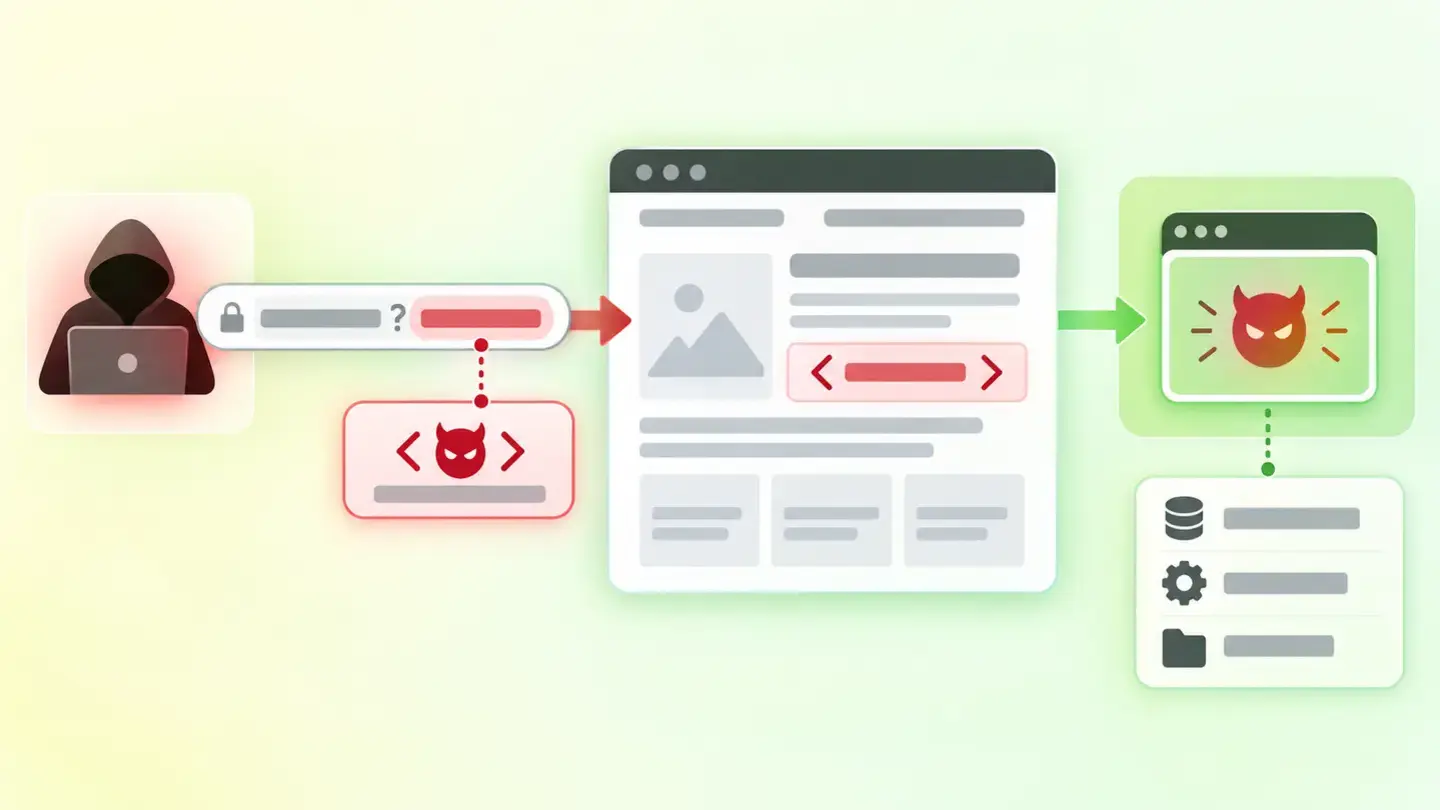
XSS risk
What it is, which signals give it away and how to reduce it
 SecurityLimits
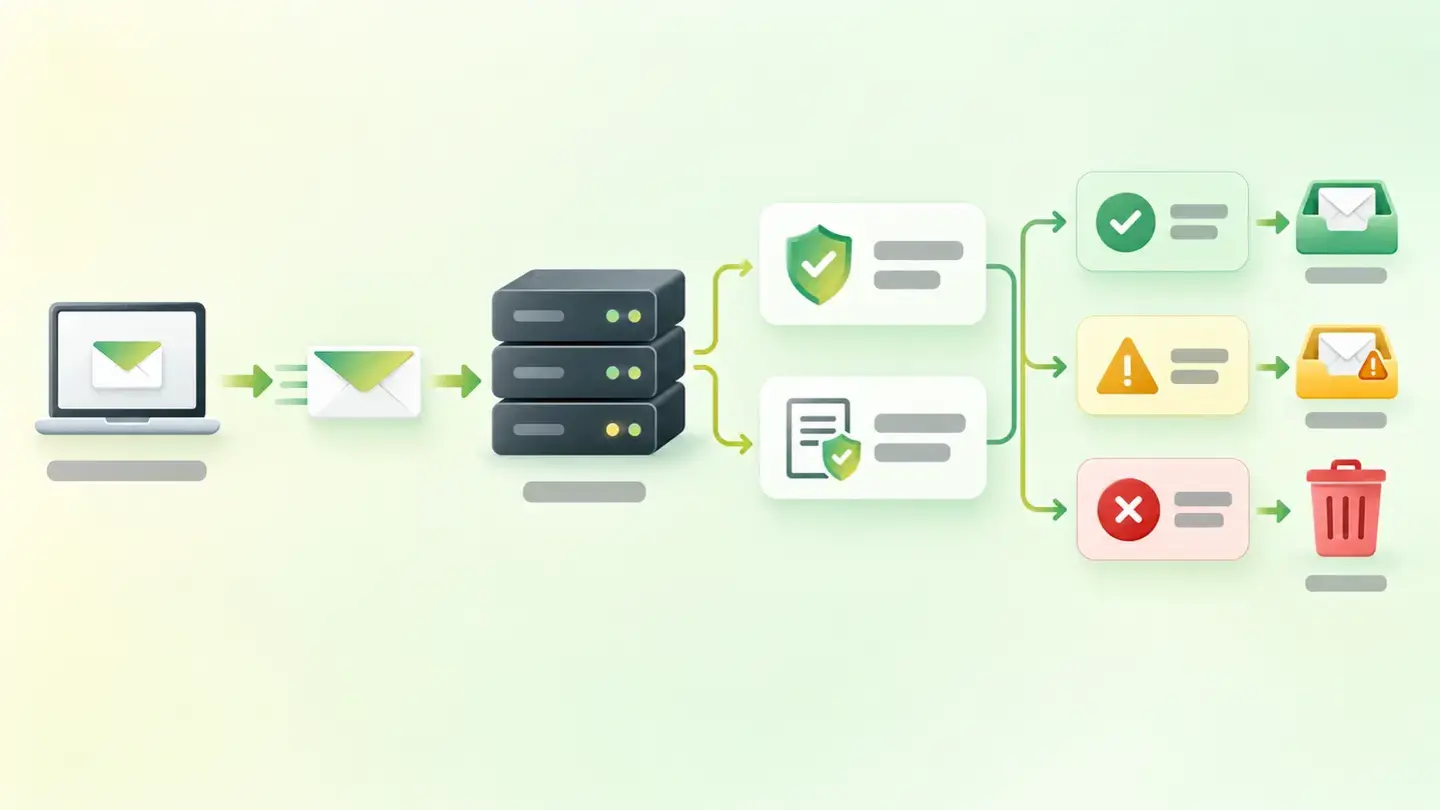
Email security
What SPF and DMARC are and why your domain needs them
 SecurityLimits
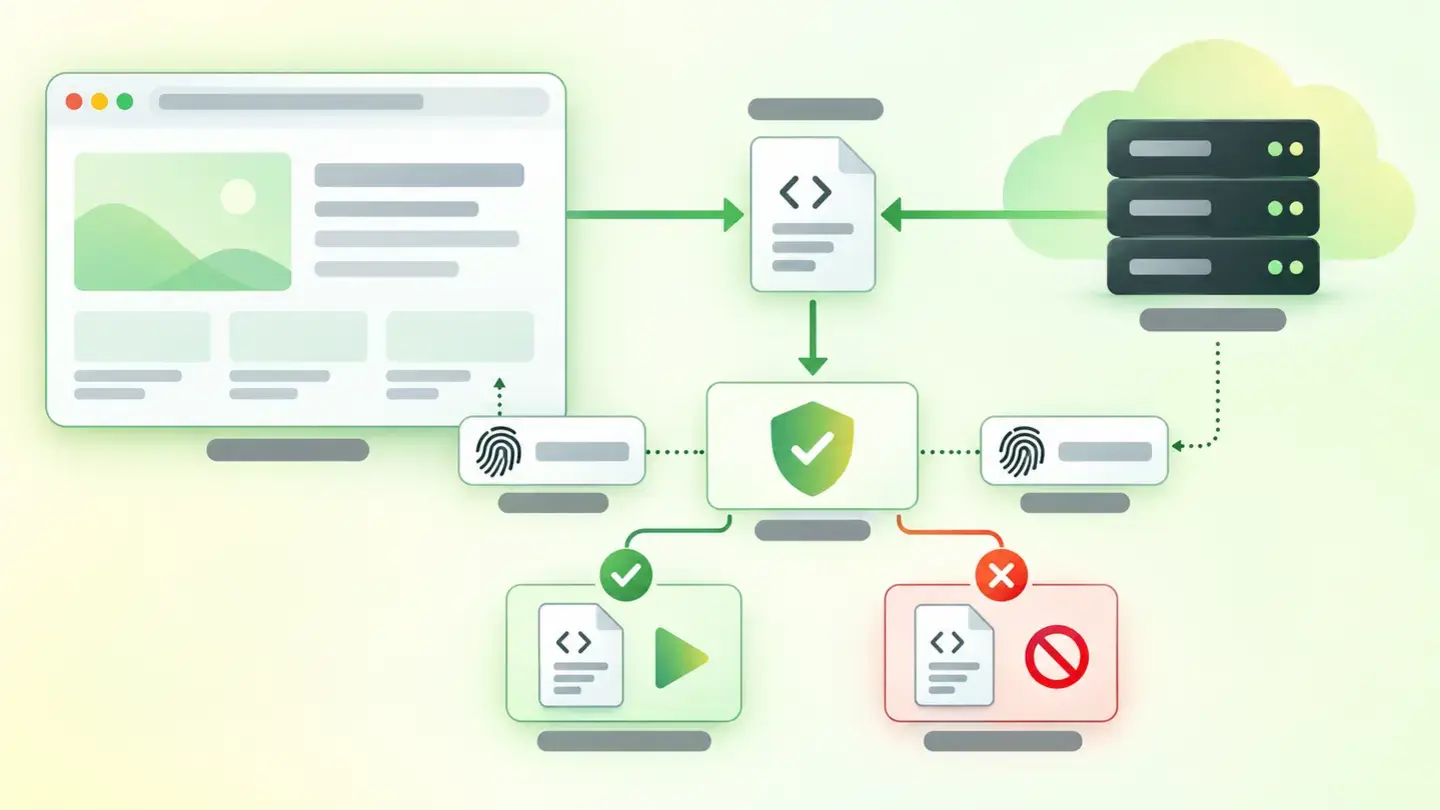
Unverified third-party resources
What they are and how to protect yourself with the integrity attribute
 SecurityLimits
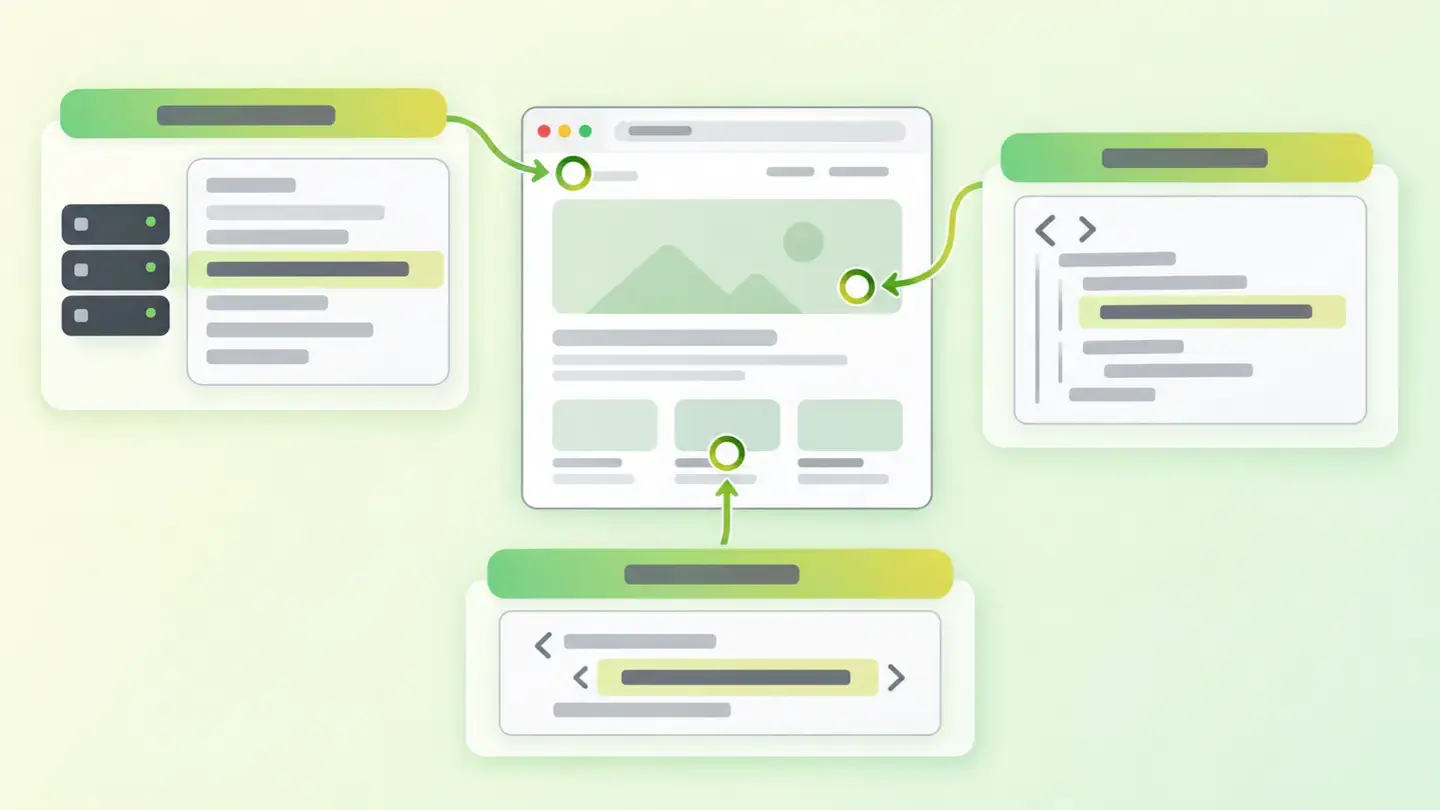
Technical information exposure
What your website says about itself without you knowing
 SecurityLimits
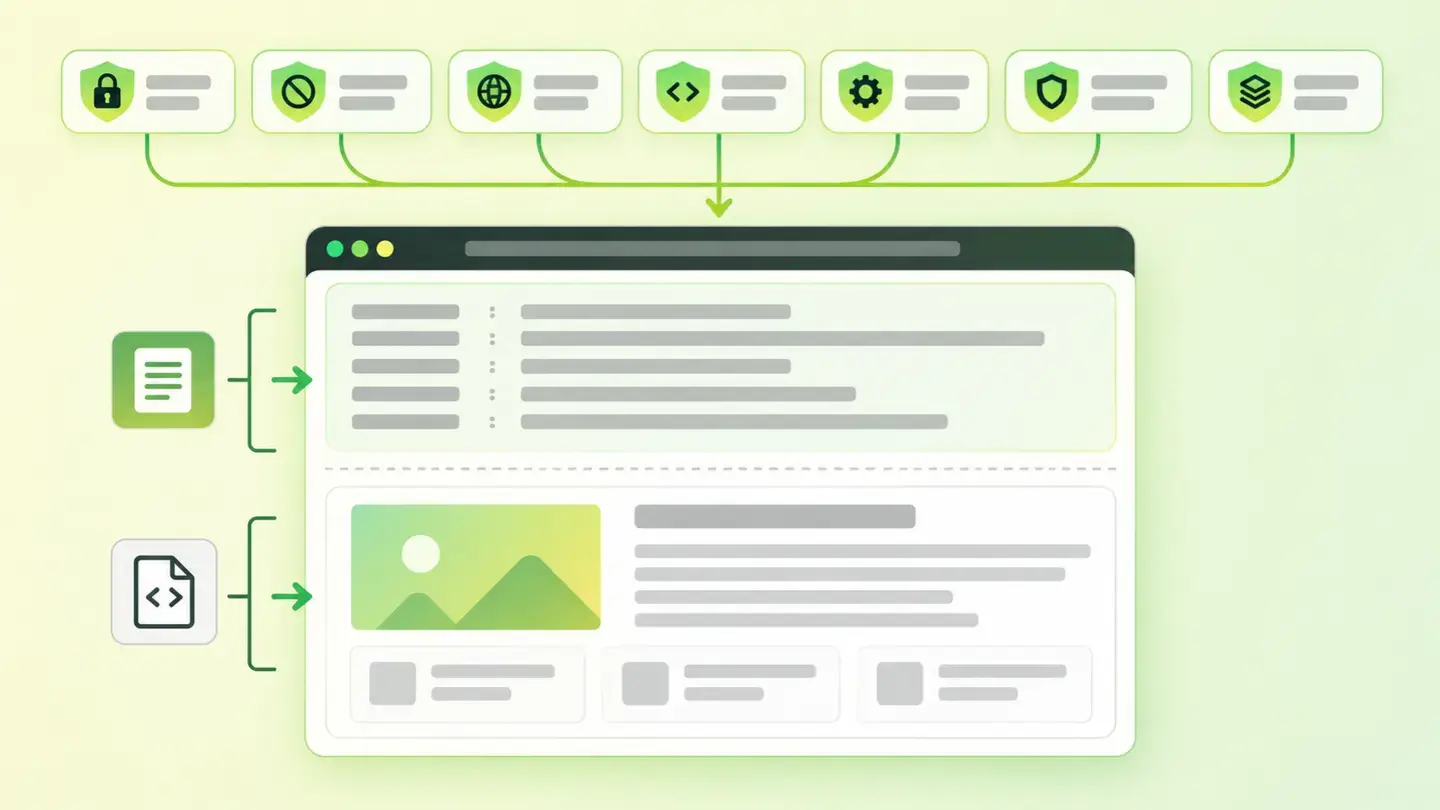
Security headers
What they are, what each one does and how to add them
 SecurityBlocks
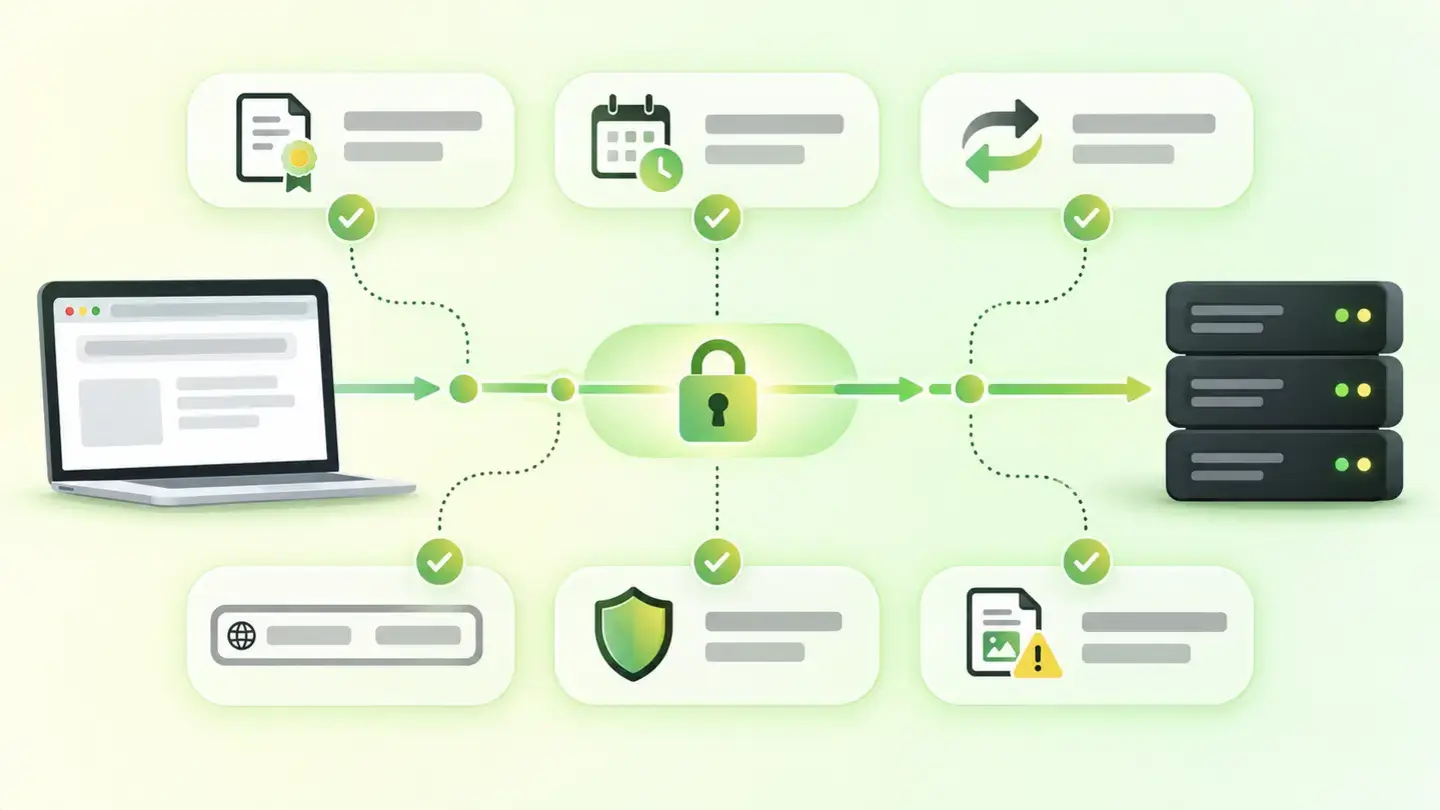
HTTPS secure connection
The six things that can fail even if your website has a padlock
No guides match what you’re looking for. Try other words, change the area or remove the severity filter.
Go to the blogDoes your website have
any of these findings?
We only read what your website already makes public. The check is passive: we don’t send anything that could affect your server. If someone else has checked the same website in the last 24 hours, we’ll show you that same result instead of running the check again.